EN
EN  FR
FR 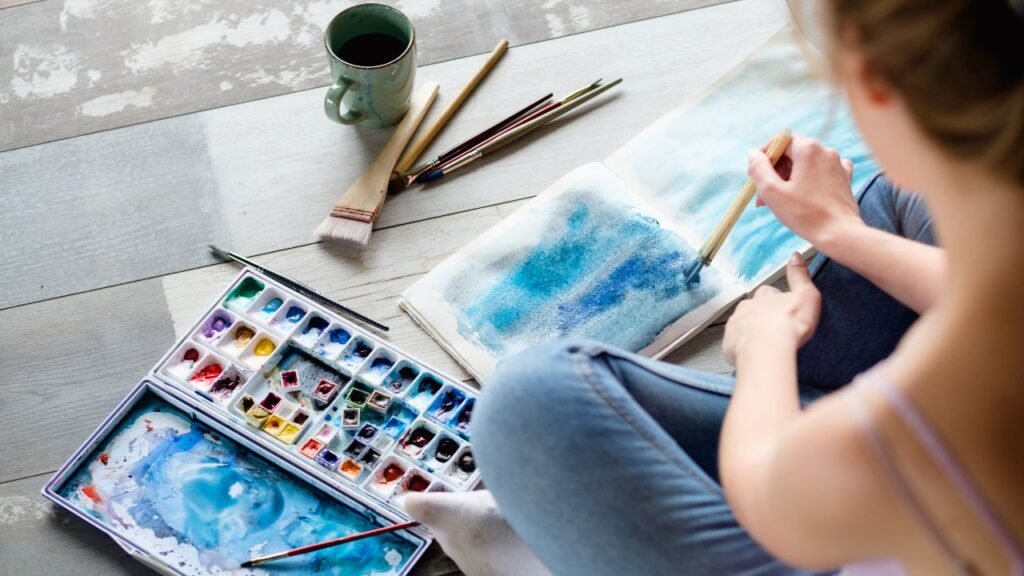
Mental health conditions are becoming more and more prevalent in today’s society, and it’s essential to have various treatment options available. One innovative approach to mental health treatment is art therapy. Art therapy is a type of therapy that uses creative expression to promote healing and improve mental health.
What is Art Therapy?
Art therapy is a type of psychotherapy that uses creative expression to explore and understand emotions, thoughts, and behaviors. Art therapy can take many forms, such as drawing, painting, sculpture, and collage. The goal of art therapy is to provide individuals with a safe and non-judgmental space to explore their thoughts and feelings through creative expression.
How Does Art Therapy Work?
Art therapy works by allowing individuals to express themselves creatively, without the need for words. This can be especially helpful for individuals who have difficulty expressing their emotions verbally. By using art as a form of communication, individuals can explore their emotions and experiences in a safe and supportive environment.
Art therapy is also used to promote self-awareness and self-esteem. By creating art, individuals can gain a better understanding of their strengths and weaknesses, which can help them develop a more positive self-image. Additionally, creating art can be a source of enjoyment and relaxation, which can help reduce stress and anxiety.
Benefits of Art Therapy
Art therapy has been shown to be effective in treating a variety of mental health conditions, including anxiety, depression, post-traumatic stress disorder (PTSD), and eating disorders. Additionally, art therapy can be used to help individuals with chronic pain, physical disabilities, and neurological disorders.
One of the biggest benefits of art therapy is its versatility. Art therapy can be adapted to meet the needs of individuals of all ages and backgrounds. It can be used as a standalone therapy or in conjunction with other forms of therapy, such as talk therapy and medication.