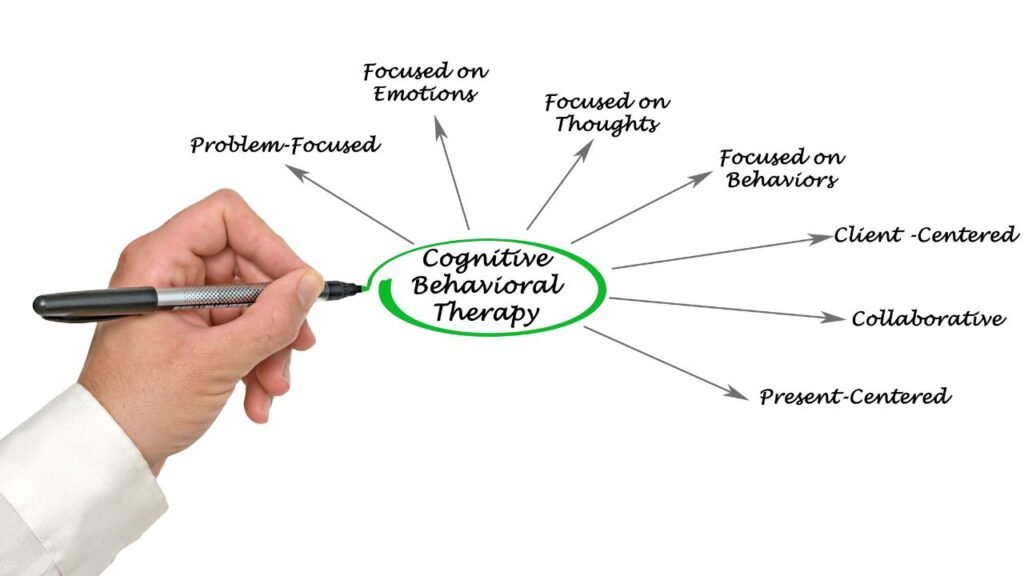
In today’s fast-paced world, stress and anxiety can take a toll on our mental health. But did you know that the way we think can have a significant impact on our emotions and behaviors? Cognitive Behavioral Therapy (CBT) is a powerful form of therapy that can help individuals change their negative thought patterns and behaviors, leading to a more positive and fulfilling life.
What is Cognitive Behavioral Therapy?
Cognitive Behavioral Therapy (CBT) is a type of psychotherapy that helps individuals change their negative thought patterns and behaviors. CBT is based on the idea that our thoughts, emotions, and behaviors are all interconnected. By changing our thoughts, we can change our emotions and behaviors, leading to a more positive and fulfilling life.
How Does CBT Work?
CBT works by helping individuals identify and challenge their negative thought patterns. This is done through a series of structured sessions with a licensed therapist or counselor. During these sessions, individuals learn how to recognize and change their negative thought patterns, replacing them with more positive and healthy ones.
CBT also involves behavioral interventions, such as exposure therapy and behavioral activation. Exposure therapy helps individuals confront their fears and anxieties in a safe and controlled environment, while behavioral activation focuses on increasing positive behaviors and decreasing negative ones.
Benefits of CBT
CBT has been shown to be highly effective in treating a variety of mental health conditions, including anxiety, depression, and post-traumatic stress disorder (PTSD). In addition to treating these conditions, CBT can also help individuals improve their communication skills, build better relationships, and increase their self-esteem.
One of the biggest benefits of CBT is that it is a short-term therapy, typically lasting 12 to 20 sessions. This means that individuals can start seeing improvements in their mental health relatively quickly.